

Young India, Young Hearts: Why Early Heart Attacks Are on the Rise and What You Can Do
Heart attacks are no longer a problem of old age. Across India, more people in their 20s, 30s and 40s are landing in emergency rooms with chest pain that turns out to be a heart attack, not indigestion or muscle strain.
If you're young and healthy on paper, it's easy to assume your heart is safe. The numbers say otherwise, and understanding why can help you protect yourself and the people you love.
Why Is This Happening to Young Indians?
For decades, a heart attack patient was almost always over 60, often with a long history of illness. That picture has changed. Cardiologists across the country now routinely treat patients in their 20s and 30s, and the reasons are a mix of biology and modern life.
1. Indians Carry Higher Genetic Risk
Indians as a population tend to develop heart disease earlier and more severely than many other ethnic groups, even at a similar weight and lifestyle. Diabetes and high blood pressure also tend to show up earlier and progress faster in Indian bodies, adding to the strain on the heart.
2. Sedentary Jobs and Screen-Heavy Lifestyles
Long hours at a desk, minimal walking, and little to no structured exercise are now the default for most working professionals. A body that barely moves all week builds up cholesterol, blood sugar and blood pressure problems years before symptoms appear.
3. Diet Full of Processed and Fried Food
Convenience has replaced home-cooked meals for many young Indians. Regular consumption of fried snacks, bakery items, sugary drinks and roadside food raises bad cholesterol (LDL) and triggers early fat deposits inside artery walls.
4. Chronic Work Stress and Poor Sleep
Deadlines, long commutes, financial pressure and late-night screen time keep the body's stress hormones elevated for years at a stretch. Chronic stress raises blood pressure, disturbs sleep, and is now recognised as an independent risk factor for early heart attacks.
5. Smoking, Vaping and Alcohol
Cigarette smoking remains a major risk factor, and vaping among young adults introduces newer risks to blood vessels that are still being studied. Combined with binge drinking, this significantly accelerates artery damage.
6. Undiagnosed Diabetes, Hypertension and High Cholesterol
Because these conditions rarely cause symptoms in the early stages, many young adults are walking around with dangerously high blood pressure, blood sugar or cholesterol without knowing it, until a heart attack reveals it.
7. Post-COVID Cardiac Effects
Doctors have also observed a rise in cardiac events among younger patients since the pandemic, with ongoing research looking at links between prior COVID-19 infection and increased clotting or inflammation risk to the heart.
Heart Attack Symptoms Young Adults Often Ignore
Young patients don't always get the classic "crushing chest pain" of the movies. Many symptoms are mistaken for gas, fatigue or a pulled muscle, which delays treatment when minutes matter.
- Chest discomfort, tightness or heaviness, even if mild or on-and-off
- Pain spreading to the jaw, left arm, back or shoulder
- Unusual shortness of breath, even at rest or on mild exertion
- Cold sweats without physical activity
- Sudden fatigue or weakness that feels out of proportion
- Nausea, indigestion-like discomfort or vomiting
- Dizziness or a feeling of impending doom
Women may experience subtler symptoms such as unusual fatigue, back pain or nausea rather than classic chest pain, which often delays diagnosis. Never dismiss these signs because of your age.
Traditional Risk Factors vs. Modern Risk Factors
| Traditional | Modern / Emerging |
|---|---|
| Older age | Chronic work stress and burnout |
| Family history | Sedentary, desk-bound jobs |
| Smoking | Vaping and e-cigarettes |
| High cholesterol | Ultra-processed and fried food diets |
| Diabetes and hypertension | Poor sleep and late-night screen use |
| Obesity | Post-viral cardiac inflammation |
How to Protect Your Heart in Your 20s and 30s
Know your numbers
- Get blood pressure checked at least once a year from age 20
- Screen blood sugar (HbA1c) and cholesterol (lipid profile) from age 25–30
- Ask about a calcium score or ECG if you have a family history
Change daily habits
- Move for at least 30–45 minutes most days of the week
- Cut down fried food, bakery items and sugary drinks
- Sleep 7–8 hours and manage stress with breaks, hobbies or counselling
- Avoid smoking, vaping and limit alcohol
When Should You See a Cardiologist?
Don't wait for a crisis. Book a heart check-up if you:
- Have a parent or sibling who had a heart attack before 55
- Experience chest discomfort, breathlessness or palpitations, even occasionally
- Have diabetes, high blood pressure or high cholesterol
- Smoke, vape, or have a sedentary lifestyle with high work stress
- Are over 25 and have never had a basic heart screening
What to Do If You Suspect a Heart Attack
Call for emergency medical help immediately. Do not drive yourself. Chew an aspirin only if advised by emergency medical personnel and you are not allergic. Every minute without treatment increases damage to the heart muscle, so acting fast saves lives.
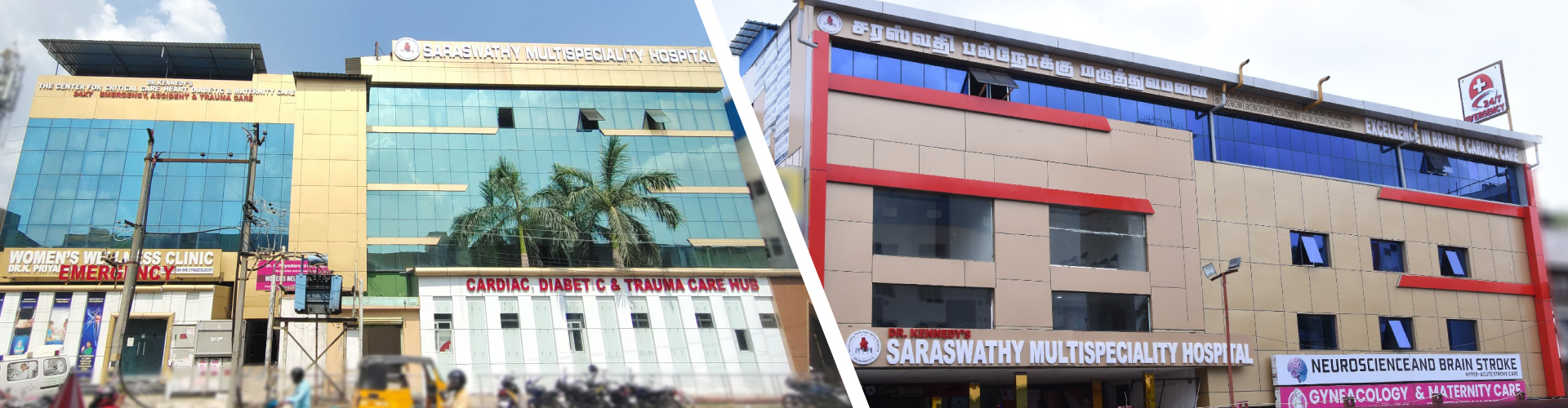
Heart Care at Dr. Kennedy's Saraswathy Multispeciality Hospital
Our cardiology team offers preventive heart screenings, ECG, 2D echo and lipid profile testing, along with ongoing management for blood pressure, diabetes and cholesterol, so risks are caught long before they become emergencies.
Location: Madipakkam / Medavakkam Main Road / Tambaram
Call: 044-22242525 / 99404 99142
This article is for awareness and does not replace medical advice. Please consult a qualified cardiologist for diagnosis and treatment.