

How to Keep Your Heart Healthy Naturally – A Complete Guide
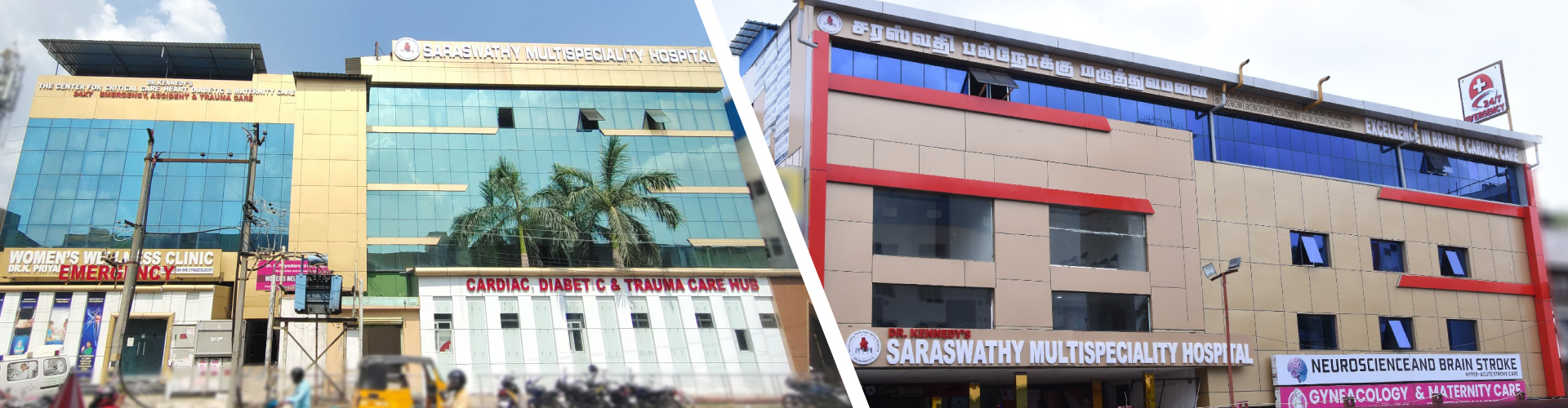
Expert Heart Care Tips from Saraswathy Multispeciality Hospital, Madipakkam

Your heart works tirelessly every second of every day, pumping oxygen-rich blood throughout your body. On average, it beats nearly 100,000 times a day and pumps approximately 7,500 liters of blood daily. Despite its incredible strength, heart disease continues to be one of the leading causes of death worldwide.
The good news is that many heart diseases are preventable. A healthy lifestyle, regular medical check-ups, and early detection can significantly reduce your risk. At Saraswathy Multispeciality Hospital, Madipakkam, our experienced cardiologists help patients maintain lifelong heart health through preventive care, advanced diagnostics, and personalized treatment.
❤️ Why Heart Health Matters
Heart disease often develops slowly over many years without obvious symptoms. Conditions such as high blood pressure, diabetes, obesity, and high cholesterol silently damage blood vessels before symptoms appear.

Regular health screenings can identify these risks early and allow doctors to recommend lifestyle changes before serious complications occur.
Know Your Heart Numbers
| Health Indicator | Healthy Range |
|---|---|
| Blood Pressure | Below 120/80 mmHg |
| Total Cholesterol | Below 200 mg/dL |
| Blood Sugar (Fasting) | 70–99 mg/dL |
| Resting Heart Rate | 60–100 BPM |
| Body Mass Index (BMI) | 18.5–24.9 |
Keeping these numbers within the recommended range helps lower your risk of cardiovascular disease.
Natural Ways to Keep Your Heart Healthy
🥗 1. Eat a Heart-Friendly Diet
Include fresh vegetables, fruits, legumes, whole grains, nuts, seeds, fish rich in Omega-3 fatty acids, and healthy oils. Limit processed food, sugary beverages, excessive salt, and saturated fats.

🚶 2. Stay Physically Active
Adults should aim for at least 150 minutes of moderate exercise every week. Walking, cycling, swimming, yoga, and dancing all contribute to better cardiovascular health.
😴 3. Sleep Well
Sleeping for 7–8 hours each night helps regulate blood pressure, supports metabolism, and reduces stress hormones that affect the heart.
🧘 4. Reduce Stress
Chronic stress can increase blood pressure and trigger inflammation. Practice meditation, breathing exercises, prayer, or spend time doing activities that help you relax.
🚭 5. Quit Smoking
Smoking damages arteries, raises blood pressure, and significantly increases the risk of heart attack and stroke. Quitting provides immediate and long-term health benefits.
🍷 6. Limit Alcohol
Excessive alcohol consumption can lead to high blood pressure, irregular heartbeat, and heart muscle damage.
Common Warning Signs
- Chest pain or discomfort
- Shortness of breath
- Irregular heartbeat
- Dizziness
- Swelling in legs or feet
- Unusual tiredness
- Pain radiating to jaw, shoulder, or arm
If you experience any of these symptoms, seek medical attention immediately.
Who Should Get Regular Heart Checkups?
- People above 40 years
- Patients with diabetes
- Individuals with high blood pressure
- People with high cholesterol
- Smokers
- Those with obesity
- Anyone with a family history of heart disease
Heart Care Services at Saraswathy Hospital
Our Cardiology Department offers comprehensive cardiac care using advanced technology and experienced specialists.
- ECG
- 2D Echo
- TMT (Stress Test)
- Blood Pressure Monitoring
- Cardiac Risk Assessment
- Preventive Health Check Packages
- Emergency Cardiac Care
Frequently Asked Questions
Can young adults develop heart disease?
Yes. Poor diet, smoking, obesity, diabetes, stress, and lack of exercise can increase the risk even at a young age.
Is walking enough for heart health?
Brisk walking for 30 minutes most days is one of the simplest and most effective ways to improve cardiovascular fitness.
How often should I have a heart check-up?
Adults over 40 or those with risk factors should have annual health check-ups or as advised by their physician.
Take the First Step Towards a Healthy Heart ❤️
Small lifestyle changes today can protect your heart for years to come. Schedule a preventive heart screening with our expert cardiologists and stay one step ahead of heart disease.